


"Epilepsy and Paroxysmal Conditions" is a scientific and practical peer-reviewed journal for medical professionals. Our aims and priorities include scientific and information support to the members of the "professional community" in their pursuit of new ideas in clinical research. The "Epilepsy and Paroxysmal Conditions" journal is proud to contribute to the continuing medical education (CME) of recent medical graduates and other experts in neurology, instrumental examination, therapy, pediatric, neonatology, rehabilitation and related fields.
"Epilepsy and Paroxysmal Conditions" was founded in 2008
The impact factor of this journal, as shown in the Russian Science Citation Index (RSCI) is among the highest for the periodicals on neurology. According to RSCI, the impact factor was 1,333 in 2022.
The journal publishes scientific papers on clinical studies, as well as reviews and case reports.
Languages: Russian, English
Periodicity: 4 issues per year (quarterly).
The printed versions are distributed under the Creative Commons Attribution 4.0 License: full-text materials are freely available to the public in an open access repository.
Distribution of the printed version: Russia, the Eurasian Economic Union (EAEU - Belarus, Kazakhstan, Kyrgyzstan, Tajikistan, Uzbekistan, Armenia, Moldova), Georgia.
The editorial board of "Epilepsy and Paroxysmal Conditions" includes distinguished experts and opinion leaders from Russia, Switzerland, Denmark, Lithuania, Belarus, Moldova, Georgia, Kazakhstan, Uzbekistan and Tajikistan.
The editorial team of this journal maintains the policy of full compliance with all principles of publishing ethics. Our ethical standards and codes conform to those of top international science publishers.
All submitted materials undergo a mandatory double-blind peer review.
Media Certificate of Registration: ПИ №FS77-34885
ISSN 2077-8333 (Print)
ISSN 2311-4088 (Online)
The "Epilepsy and Paroxysmal Conditions" journal appears in the Scopus (since 2019); CNKI (China National Knowledge Infrastructure) Scholar (since 2022); Russian Universal Scientific Electronic Library (RUNEB) elibrary.ru and is also present in the database of the Russian Science Citation Index (RSCI).
By the decision of the Higher Attestation Commission (HAC), "Epilepsy and Paroxysmal Conditions" is included in the "List of top peer-reviewed scientific journals and publications" where scientists seeking academic degrees are required to publish their results – equivalent 1st (highest) category.
The journal is included on the RCSI's White List - a list of academic journals to be used for performance assessment scientific institutions (since 2022).
Current issue
EDITORIAL ARTICLES
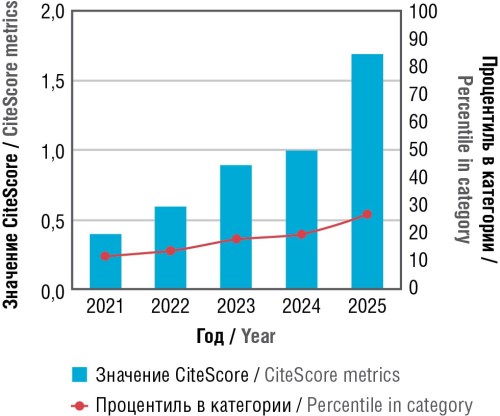
The journal “Epilepsy and Paroxysmal Conditions”, published since 2009, demonstrated steady positive dynamics in key scientometric indicators at year-end 2025. In May 2026, based on updated data, the journal moved to the third quartile (Q3) of the authoritative international scientometric database Scopus, thereby confirming its growing international recognition. At the same time, the journal achieved leading positions among peer-reviewed publications in the "Neurosciences" category in the Russian Science Citation Index (RSCI), evidencing its leading role in the national academic space. The key drivers of growth were the open-access model, the introduction of HTML versions of articles, as well as refinement of requirements for the methodological quality of manuscripts. An analysis of publication activity shows increased proportion of original research, a rise in the number of citations in high-ranking journals, as well as prominently expanded readership. The paper also examines new legal requirements for the publication of genetic data, which come into force in Russia in 2026, and outlines strategic prospects to further promote the journal in international scientometric databases. The journal continues to serve as a key communication platform for Russian and foreign researchers in the field of neurosciences, practicing physicians specializing in various areas of neurology, instrumental diagnostic methods, therapy, pediatrics, neonatology, physical and rehabilitation medicine, and related fields.
ORIGINAL ARTICLES
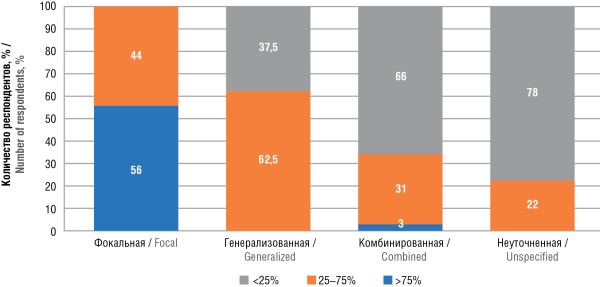
Background. Epilepsy remission rates in Russia lag behind global figures, which is partly attributable to the fragmentation of approaches to evaluating antiseizure medications (ASMs): the subjectivity of expert opinions, the limited scope of consumption data, and the failure of clinical guidelines to account for regional specificities.
Objective: To develop and test a methodology for comprehensive evaluation of ASMs based on matrix expertise with multilevel verification across four independent data sources to optimize drug provision for epilepsy patients at the regional level.
Material and methods. A structured survey of 32 expert epileptologists from 7 Russian regions was conducted to assess21 ASMs using a 10-point scale (therapeutic line and risk). Verification involved comparison with clinical guidelines, practice data, consumption metrics, and a pharmacokinetic safety rating. Concordance was assessed using Kendall's coefficient of concordance (W).
Results. The developed methodology enabled, for the first time, a multi-level verification of expert preferences and the identification of systemic discrepancies in approaches to epilepsy therapy. A divergence was found between expert opinions and clinical guidelines in the treatment of generalized epilepsy, attributable to the challenges of implementing new classification criteria and the evolving nature of therapeutic approaches. The identified mismatch between the proven safety of modern ASMs and their actual positioning in treatment algorithms reflects the influence of economic and organizational barriers.
Conclusion. The proposed methodology serves as an analytical tool for auditing the pharmaceutical supply system, enabling the formation of rational ASM formularies, the substantiation of “negative lists”, and the identification of targeted administrative and educational measures.
Background. Generating a sensitive and selective method to quantitate valproic acid (VPA) for therapeutic drug monitoring, using as low as 50 µl of blood serum sample, is highly relevant for pediatric patients, for whom biomaterial collection can be challenging.
Objective: To develop and validate a method to quantitate VPA level in blood serum using gas chromatography-mass spectrometry (GC-MS) without derivatization, added with phenylacetic acid as an internal standard (IS), for therapeutic drug monitoring, and to comparatively analyze results obtained using developed method and immunochemical approach.
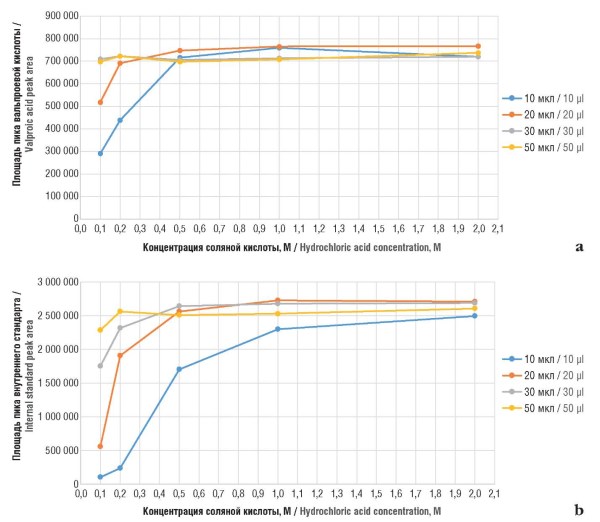
Material and methods. Extraction of VPA and IS was performed using liquid-liquid extraction with ethyl acetate, after preacidification of blood serum sample with 1 M hydrochloric acid. The lower limit of quantification was 5 µg/ml, with calibration range 5–200 µg/ml. The study employed a GC-MS system consisting of Agilent 5977B SQ single quadrupole MS-detector equipped with a high-efficiency source for electron impact ionization, and Agilent 7890 gas chromatograph (both – Agilent Technologies, USA). Analytes were quantitated by using electron impact ionization in selected ion monitoring mode. For VPA, the characteristic fragment ion with mass-to-charge ratio (m/z) 102 was used, and for IS – most intense characteristic fragment ion with m/z 91. Chromatographic separation was carried out on HP-5MS Ultra Inert column (30 m × 250 µm × 0.25 µm) (Agilent Technologies, USA).
Results. A comparative analysis of the results obtained in determining VPA level in blood serum samples using GC-MS and immunochemical method demonstrated a high degree of correlation, thereby verifying feasibility of the developed method for therapeutic drug monitoring.
Conclusion. The developed GC-MS method is characterized by high sensitivity and selectivity and can be recommended for introduction into clinical practice for therapeutic drug monitoring of VPA concentration as an alternative to immunochemical approach.

Background. Epilepsy onset occurs in childhood in 70% of patients and is considered a major problem in pediatric neurology.
Objective: To study the profile of inpatients aged 1 month to 3 years with newly diagnosed epilepsy.
Material and methods. A retrospective analysis of 261 medical records of children with a newly diagnosed epilepsy admitted to the Early Childhood Psychoneurology Department No. 1 of the Children's Center for Psychoneurology and Epileptology at the Republican Children's Clinical Hospital (Ufa) between 2018 and 2024 was conducted. Patients ranged in age from 1 month to 3 years. The average age of patients was 8,7±0,7 months, with a predominance of boys (56,3%). All patients underwent clinical, instrumental, laboratory, neuroimaging, and electrophysiological (electroencephalography (EEG), video-EEG monitoring) examinations.
Results. The rate of all cases of epilepsy peaked in children under 1 year of age – 206 (79%). West syndrome and Ohtahara syndrome were noted in 62 (23,7%) children aged 7 to 12 months. Depending on the etiology, structural epilepsy was observed in 197 (75,5%) patients. The most common cause of epilepsy with an established etiologic factor was hypoxic-ischemic, hemorrhagic lesion of the central nervous system – 159 (61%). In young children, a frequent combination of epileptic seizures with delayed psychomotor and psychospeech development was recorded (83,9%). In 23,7% of patients, hypsarrhythmia, “burst-suppression” – a pattern specific to epileptic encephalopathies (West and Ohtahara syndromes) were EEG recorded. Valproic acid was the drug of choice when prescribing anticonvulsant therapy. Serum antiepileptic drug levels remained adequate throughout treatment.
Conclusion. The results of our study highlight the importance of a comprehensive approach to epilepsy treatment. Early diagnosis, comprehensive treatment with appropriate antiepileptic drug selection based on seizure type and epilepsy etiology, and rehabilitation improve prognosis and quality of life for children with epilepsy. Further research is needed to gain insights into genetic and environmental risk factors and to develop new methods for prevention and treatment of epilepsy in young children.

Background. Self-limited (age-dependent) focal epilepsies (SeLFE) are characterized by a relatively favorable course, a good response to antiepileptic medications, and spontaneous self-resolution during puberty. They are characterized by detecting a specific electroencephalographic (EEG) pattern – benign epileptiform discharges of childhood, with their prevalence tending to increase during slow-wave sleep, extending to extremely high degree in some cases. Literature data report about certain transient and persistent impairments of higher mental functions in patients with SeLFE, primarily in the areas of speech, memory, attention, and educational performance. In this regard, a significant role is attributed to EEG-recorded epileptiform activity, especially during video-EEG monitoring. However, studies with objective evidence base assessing an impact of epileptiform activity on intellectual development in patients with SeLFE are currently sparse, whereas the results of available reports are extremely contradictory in most cases being limited to examining self-limited epilepsy with centrotemporal spikes.
Objective: To determine an impact of various EEG parameters on intellectual development in patients with SeLFE syndromes.
Material and methods. The study group included 41 children with SeLFE diagnosed based on medical history, neurological, and instrumental examinations in accordance with the 2022 International League Against Epilepsy criteria. All children underwent video-EEG monitoring in sleep state with spike-wave index (SWI) calculation, assessed location and quantity of epileptiform foci, as well as with comprehensively analyzed intellectual functions using the Wechsler Intelligence Scale for Children 2 and the Vineland Adaptive Behavior Scale 2. The control group consisted of 30 children with no history of neuropsychiatric disorders or EEG changes.
Results. One EEG epileptiform focus was recorded in 20 (48.8%) patients, while 21 (51.2%) subjects had two or more epileptiform foci. Left hemisphere discharges were detected in 11 (26.8%) children, right hemisphere discharges – in 8 (19.6%), and bilateral discharges – in 22 (53.6%). Analysis of SWI values on sleep EEG revealed that in 13 (31.7%) patients they exceeded 50% level, with 7 (17.1%) cases showing high discharge index (≥85% of sleep recording). Correlation analysis of SWI level in different patient groups showed a wide range of negative correlations with separate indicators of intellectual development.
Conclusion. The SWI level is a key factor determining the intellectual impairment. Location of focal discharges determines the specific impact of SWI on cognitive functions, whereas the number of foci influences on dynamics of intellectual impairment. In some cases (especially in patients with two foci and bilateral localization), the dynamics vs. absolute rate of SWI levels is of greater importance.
CLINICAL CASES
CACNA1A-related disorders include developmental and epileptic encephalopathy type 42, familial hemiplegic migraine type 1, episodic ataxia type 2, and spinocerebellar ataxia type 6 with common сombined phenotypes observed. This article presents a case of intrafamilial clinical polymorphism with same CACNA1A gene mutation. In the father, episodes of ataxia with dizziness, observed over a 10-year period (from ages 7 to 17) were solely presented. The eldest son, in addition to episodic ataxia documented since age of three years old, experienced short absences starting from age 10, as well as delayed psycho-speech development. In the youngest son, onset of paroxysms of episodic ataxia was recorded at age 2, absences – at age 3, whereas disability due to psycho-speech underdevelopment was documented at age 5.
SCIENTIFIC SURVEYS
Levetiracetam (LEV) is one of the most commonly prescribed second-generation antiepileptic drugs due to its selective binding to the synaptic vesicle protein SV2A, predictable pharmacokinetics, minimal drug interactions, and low teratogenic risk. The clinical spectrum of LEV includes focal seizures (as monotherapy or adjunct), and tonic-clonic seizures. Despite its “pharmacokinetic simplicity”, LEV exhibits marked interindividual variability in efficacy and tolerability, primarily due to behavioral and neuropsychiatric adverse drug reactions (ADRs). Less commonly, immune-inflammatory skin, hematologic, hepatic ADRs, and case reports of myotoxic and viscerotoxic reactions occur. The development of LEV-induced ADRs is partially determined by genetic factors (targets/transporters/esterases, vulnerability of monoaminergic networks) and metabolomic shifts (tryptophan-kynurenine pathway, lipid and redox changes), which justifies the application of “omics” approaches for personalized LEV therapy. The review on domestic and international studies (from 2015 to 2025) in the field of LEV-related pharmacogenomics and pharmacometabolomics is presented, aimed at identifying genetic and metabolic biomarkers associated with the risk of neurotoxicity. It demonstrated, that data on SV2A gene and neurotransmitter genes polymorphisms and neurotransmitter genes are still inconsistent. LEV is metabolized by extrahepatic esterases to a pharmacologically inactive compound (L057); no clinically significant reactive LEV metabolites have been identified. The most reproducible pharmacogenetic biomarkers are polymorphisms in the ABCB1 (efflux across the blood-brain barrier) and CES1 (rate of hydrolysis) genes. Pharmacometabolomics confirms the usefulness of assessing the LEV/L057 ratio as an exposure metabolic biomarker. Changes in the tryptophan-kynurenine pathway are primarily experimental, while lipidomic/redox findings are heterogeneous and lack stable clinical validation. Clinically, the risk of neurotoxic behavioral ADRs may be associated with variability in exposure and individual neurobiological vulnerability of neurons to LEV. Personalization of LEV therapy relies on selective therapeutic drug monitoring, assessment of renal function / pregnancy / augmented renal clearance, and modelinformed dosing. However, routine “omics” testing in real clinical practice has not been developed. LEV has a favorable pharmacokinetic profile without the formation of reactive metabolites. The clinical heterogeneity of therapeutic response and ADRs are mainly accounted for by pharmacodynamic and immune-inflammatory mechanisms also involving transporter proteins and esterases. Integration of pharmacogenomics (ABCB1, CES1), targeted pharmacometabolomics (LEV/L057, kynurenine pathway biomarkers), “selective” therapeutic drug monitoring, and model-informed LEV dosing may improve the safety and efficacy of LEV use, creating a realistic framework for personalized epileptology.
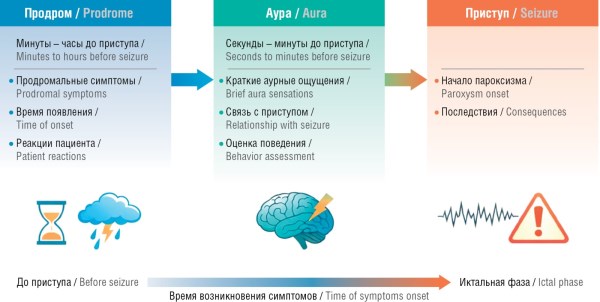
Objective: To summarize current evidence on the prevalence, phenomenology, and temporal characteristics of prodromal symptoms and early ictal manifestations (auras) in focal epilepsy, and to clarify their clinical relevance for patient counseling and management.
Material and methods. A narrative review of the literature on prodromal symptoms and auras in focal epilepsy was conducted. Publications were identified through searches in PubMed/MEDLINE and by screening reference lists of key articles. Given the heterogeneity in definitions and time frames across studies, findings were analyzed qualitatively without meta-analysis, particularly emphasizing on practical aspects of clinical interviewing and safety recommendations.
Results. Prodromal symptoms are reported in a substantial proportion of patients with focal epilepsy; reported prevalence varies depending on assessment methods and diagnostic criteria. Prodromes typically occur minutes to hours (less commonly a day or more) before seizure onset and may include affective, cognitive, and autonomic manifestations. According to the current classification by the International League Against Epilepsy, an aura is defined as a focal aware seizure and represents the ictal phase of the epileptic event. Clinically, auras are characterized by brief, stereotyped subjective experiences occurring seconds to minutes before potential seizure propagation. Patients’ responses to warning symptoms often include cessation of ongoing activities, seeking a safe environment, and alerting others, which may reduce the risk of injury. However, in some individuals, anticipatory anxiety and avoidance behaviors develop, negatively affecting quality of life.
Conclusion. In patients with focal epilepsy, routine and systematic inquiry about prodromal symptoms and auras during clinical evaluation is advisable. Clinicians should carefully distinguish between prodromal and early ictal manifestations and help patients adopt proportionate safety measures without reinforcing hypervigilance or unnecessary restrictions in daily activities.
Focal epilepsy is associated with prominent autonomic disturbances occurring during the ictal, postictal, and interictal periods. Differential assessment of such disorders is important for improving the effectiveness of antiseizure therapy and reducing the risk of sudden unexpected death in epilepsy (SUDEP). The review summarizes current concepts regarding the pathophysiological mechanisms, clinical semiology, and diagnostic significance of autonomic manifestations in patients with focal epilepsy. During the ictal period, the most commonly observed abnormalities include changes in heart rhythm (tachycardia and, less commonly, bradycardia), respiratory disturbances (apnea and hyperventilation), gastrointestinal symptoms (epigastric aura), and pilomotor reactions. Postictal autonomic disturbances include arterial hypotension, hypersalivation, aspiration phenomena, and postictal arrhythmia, all of which correlate with SUDEP risk. Interictal disturbances are characterized by reduced heart rate variability, arterial hypertension, neurogenic bladder dysfunction, and thermoregulatory disorders, reflecting suppression of autonomic nervous system activity. Autonomic disturbances in focal epilepsy represent clinically significant phenomena that nevertheless are often inadequately assessed in routine clinical practice. Detailed analysis of these disorders may help refine epileptogenic zone localization, improve risk stratification for life-threatening conditions, and contribute to a more personalized therapeutic approach.
EEG РRACTICAL AND TECHNICAL ASPECTS
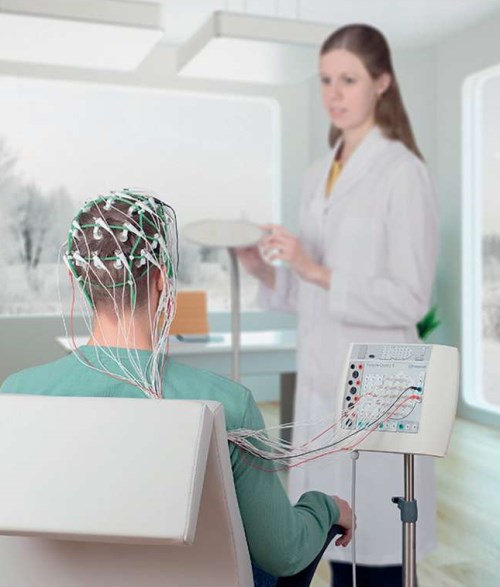
Currently, in clinical practice, electroencephalography (EEG) is used in several different types of studies, such as routine EEG examinations, video-EEG monitoring, EEG in intensive care units, etc. Each of these techniques requires appropriate preparation and organization of the room, specialized furniture, personnel training, and the availability of accessories and consumables. Here, some practical recommendations are provided for organizing a place for conducting routine EEG examinations, that may be useful while designing a new or reorganizing an existing EEG room.
EVENTS

Professor Gagik N. Avakyan, a prominent Russian neurologist, epileptologist, public figure, and educator would have marked the 80th anniversary of his birth on April 6, 2026. His name is inextricably linked with establishing contemporary Russian school of epileptology, developing the Russian League Against Epilepsy (RLAE) as well as implementing the highest standards of medical and social care for patients with epilepsy. Professor Avakyan passed away unexpectedly on November 12, 2019, leaving behind a colossal scientific, pedagogical, organizational, and, no less important, human legacy. In this publication, we have endeavored to cover his life thoroughly and accurately, so that new generations of physicians can fully appreciate the magnitude of his personality and the depth of his contribution to Russian neurology.
Events
2026-09-23
XVII All-Russian Congress "Innovations in Epileptology"
On November 7, 2026, the XVII All-Russian Congress "Innovations in Epileptology" will be held.
Venue: Moscow, Kozhevnicheskaya Street, 8, Building 3, Cosmos Hotel Paveletskaya
| More events... |

This work is licensed under a Creative Commons Attribution-NonCommercial-ShareAlike 4.0 International License.
ISSN 2311-4088 (Online)





